- By THRI Admin
- Posted July 04, 2026
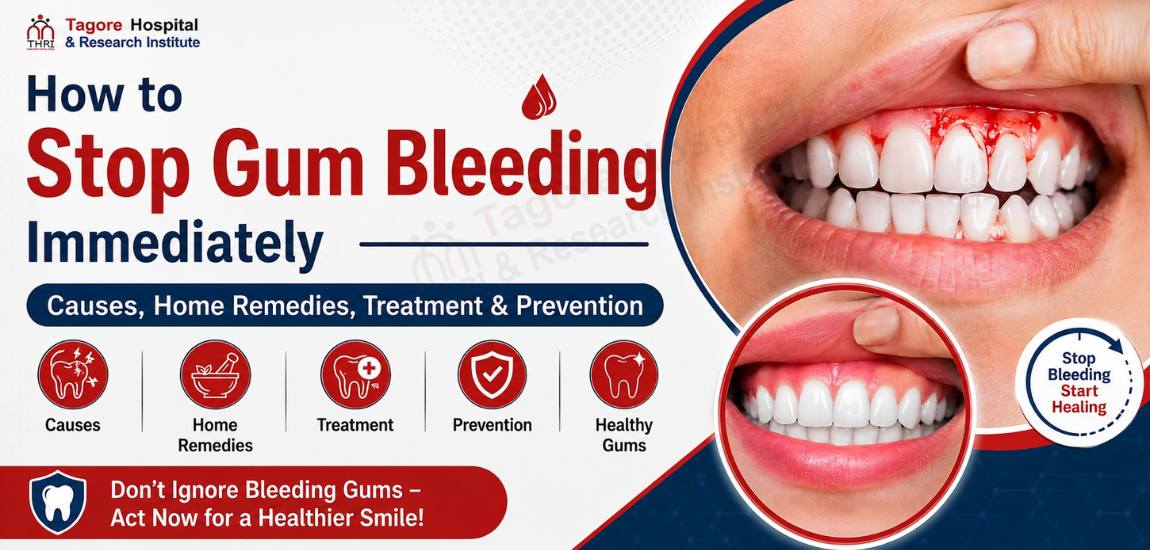
Noticed blood while flushing or brushing your teeth? Well, it may be due to gum bleeding. Wondering how to stop bleeding immediately? Well, there are several ways to fix it.
Gum bleeding is one of the most common oral health conditions, which may occur while brushing or flossing your teeth. It may seem harmless, but bleeding gums are often considered a warning sign that your gums require immediate attention and care.
Why are my gums bleeding? How to stop it? If that’s what you’re wondering, then here is an article to help you understand in detail about gum bleeding and oral health:
What Is Gum Bleeding
Before we focus on how to stop gum bleeding immediately, let’s know in detail about it. Bleeding gums or gum bleeding is an oral health condition in which gums start bleeding during flossing, eating, or brushing.
It may occur due to hard brushing or minor irritation. However, frequent bleeding is often considered a sign of underlying oral health issues. Usually, it may happen due to plaque buildup along the line, which eventually leads to inflammation.
However, bleeding may occur due to gum diseases, hormonal changes, vitamin deficiencies, underlying medical conditions, or certain medications. Bleeding gums can often progress to serious oral health issues, such as tooth loss, loose teeth, and gum recession. Best Dental Hospital in Jaipur
Symptoms of Bleeding Gums
What are the symptoms of bleeding gums? Apart from the bleeding itself, there are several other symptoms that you need to focus on to identify whether you need immediate medical care. Some of the symptoms include:
- Swollen, tender, receding, or red gums
- Discomfort or pain while chewing food
- Sensitive or loose teeth, which is common in severe gum diseases
- Continuous bad breath
- Between the teeth and gums, it usually occurs in severe conditions
You Can Also Read:- What Is Acidity? Causes, Symptoms, and Treatment?
Common Causes of Gum Bleeding
What are the common bleeding gums causes? Well, bleeding usually occurs due to poor oral hygiene. However, it can also occur due to underlying health conditions. Let’s know about some common causes here:
Bleeding gums can occur for several reasons, ranging from poor oral hygiene to underlying health conditions. Common causes include:
Poor Oral Hygiene:
One of the most common bleeding gums causes is poor oral hygiene in which plaque builds up along the gum line. It can lead to bleeding, and it can further progress into conditions such as:
- Gingivitis: A type of gum disease that results in swelling, redness, inflammation, and bleeding while flossing and brushing.
- Periodontitis: An advanced stage of gingivitis in which a severe gum infection damages the bones and tissues that support the teeth.
Injury Due To Brushing Hard:
Using too much force or a hard-bristled toothbrush while flossing or brushing can injure the gums. This can lead to bleeding in the gums.
Conditions & Medications:
Bleeding gums occur due to:
- Vitamin C or K deficiency, which can make gums prone to bleeding.
- Hormonal changes due to puberty, pregnancy, menopause, and menstruation can increase sensitivity in the gums, which may lead to bleeding.
- Conditions such as diabetes, weak immunity, and blood disorders can weaken gums, which may lead to bleeding.
- Certain medications, such as blood thinners, can reduce the production of saliva, increasing the risk of bleeding gums.
Bad Lifestyle Habits:
Smoking or use of tobacco often weakens the immune system, which can eventually increase the risk of bleeding gums.
You Can Also Read:- Broken Nose: Symptoms, Causes, Treatment, and Prevention
Effective Treatment Options for Bleeding Gums
Worried about your bleeding gums? Wondering what is the best bleeding gums treatment? The overall treatment of bleeding gums depends upon the cause as well as the severity of your condition. Some of the most popular treatment options include:
Improving Oral Hygiene:
You can improve oral hygiene by brushing twice a day and flossing daily, which can reduce inflammation and plaque. Also, make sure to use antibacterial mouthwash that can reduce bacteria in the mouth, reducing gum issues.
Getting Professional Help:
- You can seek the help of a professional dental cleaning, which can help in removing tartar and plaque buildup.
- If you have moderate gum disease, go for scaling and root planning.
- For severe conditions, make sure to get advanced procedures and surgery.
Medications & Lifestyle Changes:
- If you have any underlying medical condition, then get it treated.
- Use medicines such as antibiotics, antiseptic mouthwashes, etc in case of an infection.
- Avoid use of tobacco or smoking. Also, make sure to balance your diet with the right dietary changes.
Home Remedies to Stop Gum Bleeding Naturally
Are there some effective bleeding gums home remedies? Yes, there are plenty of remedies that can help you relieve mild symptoms. Some of the most popular remedies include:
- Start brushing your teeth gently by using a soft-bristled brush and floss daily in order to remove plaque between the teeth.
- You can rinse your mouth with warm salt water, which is known for reducing inflammation in the gums.
- Staying hydrated is one of the most common bleeding gums home remedies that can help you in maintaining healthy saliva production, eventually improving your gum health.
- Fix your diet by including vitamin C- and vitamin K-rich foods.
- Use alcohol free antimicrobial mouthwash on a daily basis. However, make sure to use it only if recommended by your dentist.
How to Prevent Bleeding Gums
Are there any effective bleeding gums prevention measures? Yes, there are several ways in which you can prevent bleeding gums. Some of these include:
- Make sure to brush your teeth at least twice a day by using fluoride toothpaste. Apart from that, floss your teeth at least once a day to maintain good oral hygiene.
- Go for regular dental checkups and get professional cleaning and oral examinations to eliminate chances of bleeding gums.
- Make sure to stay hydrated and eat a balanced diet such as whole grains, fruits, and vegetables to improve your gum health.
- If you are suffering from diseases such as diabetes, it is best to manage these conditions in order to support your health.
- Make sure to replace your toothbrush at least once every 3 to 4 months.
Conclusion
Now that you know all about how to stop gum bleeding immediately, it is time for you to take care of your gum health. Make sure to maintain good oral hygiene and get appropriate treatment if the condition becomes severe.
If you are experiencing oral health issues, consulting a highly skilled and board-certified dentist is highly recommended. The team of dentists at Tagore Hospital is known for offering comprehensive dental care from preventive to restorative to Surgical care.
We provide accurate treatments by utilising years of experience and advanced diagnostic techniques. Get personalised dental care from our experts to maintain healthy oral hygiene.
FAQs
Q.1 Are bleeding gums a sign of gum disease?
Ans. Yes, bleeding gums are often considered an early sign of gingivitis. The cause behind it is the buildup of plaque. It can later progress to periodontitis if left untreated. It is a serious condition that can damage the bone, gums, and other supporting structures of the teeth.
Q.2 Can vitamin deficiency cause bleeding gums?
Ans. Yes, vitamin C and K deficiencies are known to be one of the most common bleeding gums causes. Vitamin C is known for maintaining healthy gum tissues and supports wound healing, while vitamin K, on the other hand, is known for helping normal blood clotting.
Q.3 Are home remedies enough?
Ans. Bleeding gums home remedies may be useful in maintaining good oral hygiene and may provide temporary relief. However, if the dental issue that you’re facing is severe, then you may require immediate assistance from a specialist.
Q.4 How long should gum bleeding last?
Ans. Minor bleeding may occur due to brushing or flossing too hard. It may improve within a few days. However, if the bleeding persists for more than one week, then getting bleeding gums treatment from a certified dentist is recommended.
Q.5 Can bleeding gums heal on their own?
Ans. Minor bleeding due to irritation may improve with proper oral hygiene and care. However, if the bleeding is caused by an underlying medical condition, vitamin deficiencies, gum disease, or any other type of oral health issue, then it is best to seek help from a professional. With early dental care, you can prevent your condition from worsening further.
Tags