- By THRI Admin
- Posted May 09, 2026
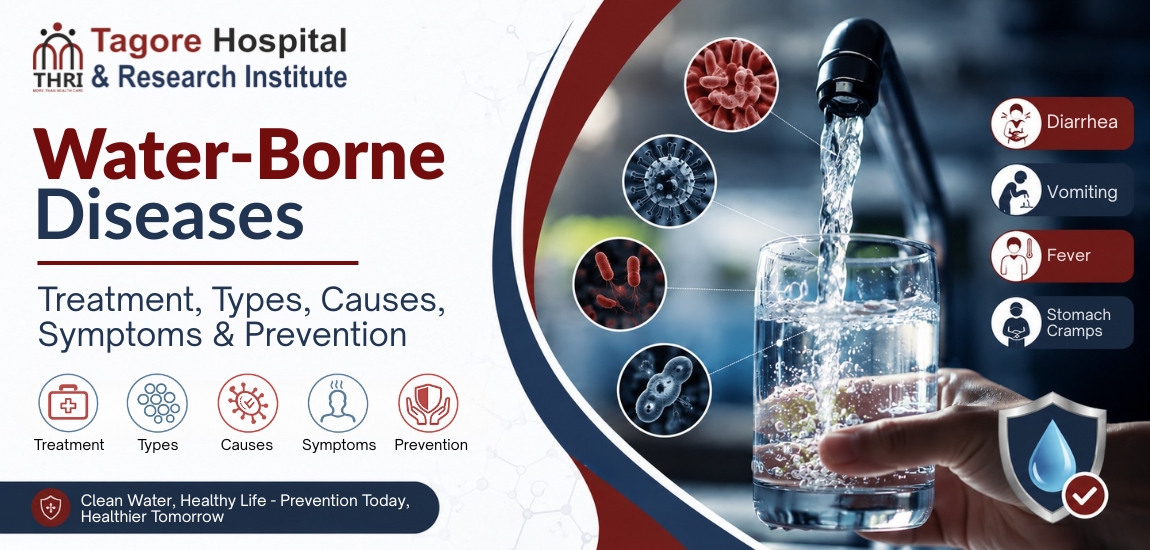
What Are Water-Borne Diseases?
When a person consumes contaminated water or comes into contact with it, they can contract waterborne diseases. Waterborne diseases are transmitted to individuals through pathogenic microorganisms, such as viruses, bacteria, or parasites that contaminate sources of drinking water. Factors contributing to water contamination include: lack of sanitation, mixing of sewage and drinking water, flooding, and unsanitary storage of drinking water.
Many people ask themselves, “How do people get infections from waterborne diseases?” The answer is straightforward: When an individual consumes spoiled drinkable, prepares food with spoiled drinkable, or takes a bath with spoiled drinkable; germs that cause waterborne disease can enter their bodies and cause an infection.
Waterborne diseases tend to occur during wet or rainy seasons; however, they also occur in areas that do not have access to clean drinking water or proper facilities for sanitation. Young children, people over 65 years of age and persons with weakened immune systems are at the highest risk for contracting a waterborne disease.
What Are the Different Types of Water-Borne Diseases?
Water-borne diseases refer to illnesses caused by water contaminated with infectious organisms. Every water-borne disease will drastically impact the body differently. Some infections usually are not severe; however, if not treated quickly, other infections may develop into severe illnesses.
- Cholera - Cholera is an infection caused by bacteria from either drinking or consuming contaminated food or water that will cause severe dehydration associated with frequent diarrhea.
- Typhoid Fever - Typhoid fever is an infection caused by the Salmonella Typhi bacterium in drinking water. The most common symptoms of Typhoid Fever include protracted fever and fatigue.
- Hepatitis A - Hepatitis A is a viral infection that affects the liver and is spread via unsafe drinking water/ingestion and poor sanitation.
- Dysentery - Dysentery is the inflammation of the intestines resulting in diarrhea with blood or mucus.
- Gastroenteritis - Gastroenteritis (referred to as "stomach flu") is an inflammation of the gastrointestinal tract causing vomiting, diarrhea, and stomach pain.
- Giardiasis - Giardiasis is a parasitic infection that can be transmitted from contaminated water sources resulting in impairment of the digestion process.
- Polio - Polio is a viral infection that can be transmitted via contaminated water and can affect the central nervous system.
What Causes Water-Borne Diseases?
By understanding how water-borne diseases are transmitted and caused, individuals can benefit from taking precautionary measures to protect themselves against these illnesses. The following are the most common causes of water-borne diseases:
- Unsafe Drinking Water: Waterborne microorganisms can be found in surface water such as lakes and rivers as well as in improperly maintained pipes or plumbing.
- Poor Sanitation: Improper disposal of human waste can lead to contamination of nearby drinking water supplies.
- Flooding/Wetlands: Flooding and standing water create an environment where unclean water can mix with clean water and spread water-borne illness.
- Poor Hygiene: Individuals who do not wash their hands with soap and water before eating and/or after using the toilet are at a greater risk for contracting a water-borne illness.
- Contaminated Food: Food that is prepared with unclean or unsafe water can be contaminated and cause illness.
- Improper Storage of Water: Open or dirty containers in which to store water can allow bacteria to develop and ultimately become food for insects, increasing the likelihood of developing a water-borne illness.
You Can Also Read:- Left Side Body Pain: Causes, Treatment, and Remedies
Symptoms of Water-Borne Diseases
The type of water-related illness will affect the type of illness you become infected with and have various symptoms. However, many times the main symptom of all these illnesses are:
- Diarrhea
- Vomiting
- Abdominal Pain
- Fever
- Nausea
- Weakness and Fatigue
- Loss of Appetite
- Dehydration
- Headaches
- Jaundice (seen in hepatitis A)
Examples, as most people ask, "What are the symptoms of waterborne diseases?" If you or your child are having problems like diarrhea or vomiting for 24 hours you should go to the emergency room because dehydration can become lethal if not treated in time.
When To See Your Doctor?
If you are experiencing any of the following signs/symptoms you should seek medical care ASAP:
- Blood in stool
- High Fever
- Severe Dehydration
- Continuous Vomiting
- Confusion and Unconsciousness
- Any Symptom in an infant or elderly person.
You Can Also Read:- 7 Warning Signs of Dengue Fever You Should Never Ignore
Treatment Options for Water-Borne Diseases
Treatment of Water Borne Diseases is contingent upon both the illness and degree of severity. Timely treatment can avoid complications and expedite recovery.
1. Oral Rehydration Solution (ORS)
An ORS solution will aid to restore lost fluid and salt from diarrhea/vomiting; thus it is one of the most important treatments for dehydration.
2. Antibiotics
Antibiotics may be given to patients with bacterial infections such as cholera and typhoid.
3. Antiviral and/or Antiparasitic Medications
Certain viral and/or parasitic diseases may be treated with specific medications.
4. Intravenous (IV) fluids
Intravenous (IV) fluids may be required to treat severe dehydration in a hospital.
5. Adequate Rest/nourishment
Patients should drink safe, treated water, eat light meals and get sufficient rest.
6. Hospitalisation
If symptoms are severe, some patients may require hospitalisation, including children and the elderly.
Preventing Water-Borne Diseases
The best way to protect yourself and your family from water-borne disease is prevention. Some easy practices of hygiene and sanitation can greatly decrease your risk of developing water-borne disease.
Ways to Prevent Water-Borne Diseases:
- Drink Safe and Clean Water: Always drink filtered, boiled or purified water.
- Wash Your Hands Regularly: Frequent hand washing before meals and after going to the toilet with soap can help prevent an infection.
- Avoid Eating Contaminated or Unhealthy Food: It is prudent to eat freshly prepared food and avoid purchasing food cooked on the side of the road or from establishments that do not use safe methods in their preparation.
- Use Proper Sanitation: Keep your toilets clean and have a good sewage/disposal system.
- Keep Drinking Water Stored Properly: Store drinking water only in covered, clean containers.
- Take Care of Your Personal Hygiene: Bathing regularly and keeping yourself clean will substantially reduce your risk of infection.
- Get Vaccinated: To help prevent disease, such as typhoid and hepatitis A, get vaccinated.
- Clean Your Water Storage Tank Regularly: Water storage tanks must be cleaned and disinfected on a regular basis.
Why Are Water-Borne Diseases Common During Monsoon?
The amount of contaminated water increases during the rainy season due to flooding, sewage overflow, and stagnant water. These conditions allow for the rapid spread of bacteria and viruses.
To stay healthy during the rainy seasons, you should do the following:
- Don’t drink untreated water
- Wash your fruits and vegetables thoroughly
- Avoid waterlogged areas
- If you have any of the above signs/symptoms, seek medical attention.
Conclusion
Water Borne Diseases can affect anyone but are preventable by following the proper hygiene protocol and drinking clean water. Knowing the causes, signs/symptoms, and treatments early can help prevent serious complications from developing. If you or your family members develop any of these symptoms (diarrhea, vomiting, fever or dehydration) find medical help as soon as possible.
At Tagore Hospital Jaipur, there are qualified doctors and healthcare professionals that provide advanced examination and treatment for waterborn infections. The General Medicine Department, Emergency Services, Diagnostic Facilities and Patient Care Service are in place to assist all patients in their recovery as quickly and easily as possible.
FAQs
Q.What treatments are available for waterborne illnesses?
Ans. Most treatments will consist of drinking ORS (oral rehydration solution) along with possible antibiotic or antiviral medications, intravenous fluids, rest and fluids (dependent on the type of illness being treated).
Q.What are the different types of waterborne diseases?
Ans. Waterborne diseases refer to a disease or infection that is transmitted by ingesting water that has been contaminated with bacteria or viruses. The most commonly known waterborne diseases include cholera, typhoid fever, Hepatitis A, Shigellosis (Dysentery) and gastroenteritis.
Q.What are the symptoms of waterborne diseases?
Ans. Common symptoms of waterborne diseases include diarrhea, nausea, vomiting, fever, stomach cramps; as well as dehydration, fatigue and weakness.
Q.What is the list of the five waterborne diseases?
Ans. Cholera. Typhoid Fever. Hepatitis A. Shigellosis (Dysentery). Gastroenteritis. (Note to author: Commonly referred to as gastroenteritis