- By THRI Admin
- Posted April 28, 2026
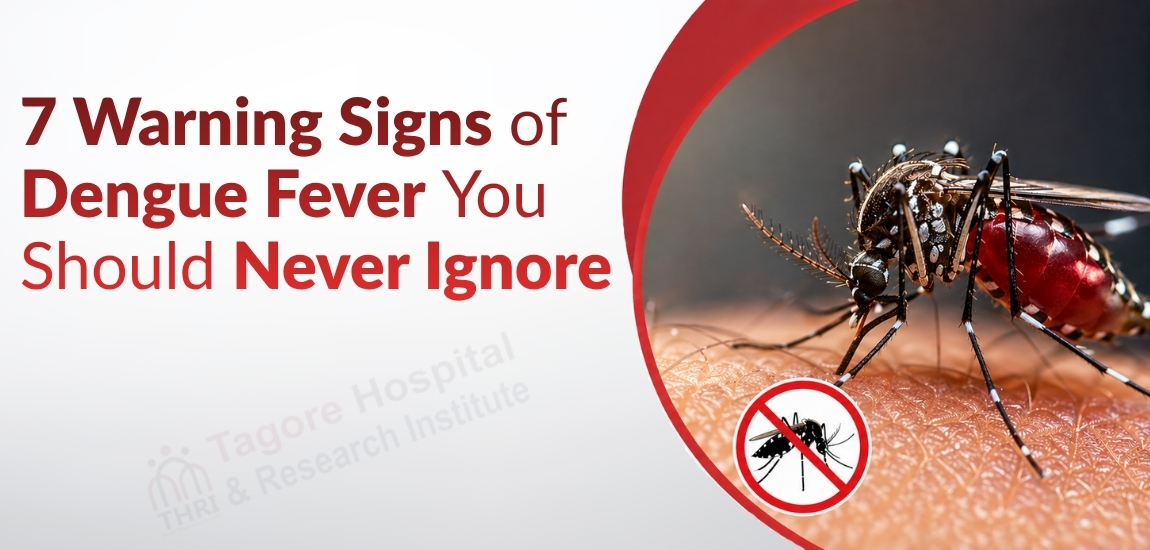
Dengue is a rapidly spreading mosquito-borne disease that can have serious consequences if it is not treated. The key to early diagnosis of dengue fever and preventing the development of serious complications, as well as preventing the death of a patient with dengue fever, is to identify each of the 7 warning signs associated with the disease. Dengue virus is spread by the bite of an infected Aedes mosquito and is most common in tropical regions such as India.
The symptoms of dengue fever often begin as mild but may worsen quickly; therefore, it is important to be able to recognize the early signs of dengue fever, the severe signs of dengue fever, and when to seek medical attention to ensure that dengue fever is diagnosed early and treated appropriately.
What Are the Common Symptoms of Dengue Fever?
Dengue Fever's signs generally show up between seven and ten days after being bitten by a contaminated mosquito. Typical signs can include:
- High fever (normally higher than 104F)
- Extreme Headache
- Pain in your behind eyes
- Body aches in the joints and muscles (called breakbone fever)
- Nausea and vomiting
- Skin rash
- Light to moderate blood loss (from nasal or oral cavity)
While these symptoms may be mild and casually disregarded, they can become more serious if not treated properly. Making timely consultation at the Best Internal Medicine Hospital is important.
What Are the 7 Warning Signs of Dengue Fever?
Recognizing the symptoms of dengue fever early on can help you get help sooner and prevent complications:
1. Severe Abdominal Pain
If you have severe or continuous abdominal pain, this could be an indication that you have bleeding inside of your body and/or fluid buildup in your stomach.
2. Continued Vomiting
If you vomit more than 3 times within a 24-hour period, you will become dehydrated and your perplexing situation will be becoming worse.
3. Bleeding Out of Gums or Nose
Bleeding from your gums or nose represents a low platelet count, which is an issue that many people have with regard to dengue fever.
4. Blood in Vomit/ Stools
Finding blood after vomiting and/or in your stools is concerning and usually points to bleeding inside of your body and should be treated by physician immediately.
5. Extreme Fatigue/Agitation
If you're feeling exceptionally weak or tired or you are restless, you may be experiencing difficulty with your body responding to the infection.
6. Rapid Drop in Platelet Count
If your platelet count continues to drop at an excessive rate, you can be at an increased risk for bleeding and for complications.
7. Difficulty Breathing
Any time you experience trouble breathing, or experience any type of discomfort in your chest, then you may have fluid building up in your lungs, which can be fatal.
You Can Also Read:- Left Side Body Pain: Causes, Treatment, and Remedies
When Should You See a Doctor for Dengue Symptoms?
If your fever lasts longer than two to three days, or you develop any other red flags (ex. bleeding, severe pain, etc.), if you are dehydrated and/or unable to consume food/fluid, or if you experience a sudden decline after improving, you need to seek medical assistance immediately.
Early evaluation is crucial for monitoring the platelet count properly and reducing the chances of complications. Do not rely only on homeopathic treatments when you show warning signs.
How Is Dengue Fever Diagnosed and Treated?
Diagnosis
- In most cases, a Doctor will provide confirmation of dengue using
- Blood tests (either NS1 Antigen Test or Antibody Test)
- CBC (Complete Blood Count) for the purpose of determining the platelets level.
Treatment
As there is currently no specific antiviral medication to treat dengue, support care will be the most important part of the management of people that have dengue.
To support care, the following will be required:
- Adequate Hydration (oral fluids or IV)
- Management of Fever (Paracetamol & ASPIRIN AVOIDED)
- Regular Monitoring of Platelets
- Hospitalization will be required for persons with severe presentations of the disease.
You Can Also Read:- What Is Wisdom Tooth Pain? Causes, Signs, and Care Explained
How Can You Prevent Dengue Fever?
Dengue can be prevented far easier than attempted to treat it later. Here is a number of things you can do to help prevent dengue:
1. Protect yourself from getting bitten by mosquitoes:
- Use mosquito repellent
- Wear long, loose fitting clothes
- Sleep under mosquito nets.
2. Remove any areas where water can accumulate:
- Mosquitoes lay their eggs in stagnant water, so make sure there are no places where water collects (e.g. buckets, pots or tires). If you do have a water storage container, make sure there is a water filtering device inside it and clean it regularly.
3. Keep your area clean:
- Keeping your home and surrounding areas clean will eliminate the likelihood of breeding sites for mosquitoes.
4. Use protective devices inside of your house:
- Install screen on your windows. Use electric mosquito repellent devices or coils.
5. Watch for mosquitoes after a rainfall:
- Remember that when it rains, the incidence of dengue will usually increase throughout that period of time. Therefore, be sure to take extra precautions during that time.
Conclusion
Although dengue can start with mild symptoms, ignoring dengue's 7 warning signs may result in severe health problems. The key to recovery is having knowledge of the disease, getting a timely diagnosis and receiving timely treatment.
Tagore Hospital urges individuals to recognize the early warning signs of dengue fever and seek medical attention quickly. Early treatment, with the assistance of medical professionals, advanced testing technologies and patient-centered care, can be the difference between life or death.
FAQs
1. What is the first sign of dengue fever?
The first symptom of dengue fever generally is an abrupt spike in temperature (fever) and headaches (including pain in your muscles and joints).
2. Does dengue go away with no intervention and/or treatment?
In general, someone suffering from "mild" dengue will recover through rest and hydration alone. Conversely, someone with warning signals should be checked by a physician immediately.
3. How long does dengue typically last?
The average period of time that an individual suffers with dengue is 7-10 days; however, not all patients take the same amount of time to recover from the illness.
4. What medications should I refrain from taking while suffering with dengue?
While suffering from dengue, you should avoid both aspirin and ibuprofen (as these medications increase the risk of hemorrhage); instead, take only medications prescribed by your physician.
Tags