- By THRI Admin
- Posted March 09, 2026
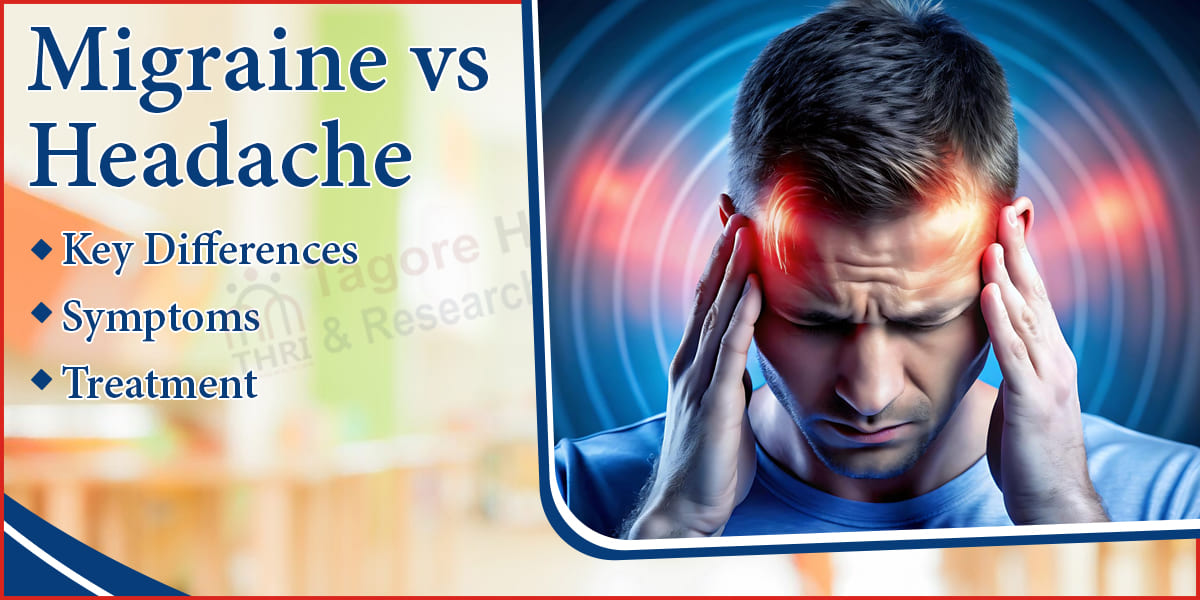
Most people don’t realize that Headaches and Migraines aren’t the same thing.Migraines are different from Headaches; the Migraines originate from a different cause than Headaches and therefore, require different treatment methods than Headaches. A common Headache produces a sensation of pressure or dull pain in the head while a Migraine may produce an intense headache with additional symptoms (Nausea, sensitivity to light and throbbing pain).
Millions of people develop headaches frequently; however, if the pain becomes more severe or frequently occurs, you may have a migraine (Chronic migraine may develop from too many headaches).Understanding the difference between migraine and headache can assist you in obtaining appropriate treatment, avoiding triggers, and managing symptoms.
What Is a Headache?
Headaches are considered to be among the most frequent health problems on a global scale. Headaches can be defined as any form of pain or discomfort experienced in any area of the head, scalp, or neck. The level of intensity and duration can differ greatly, from mild to extreme. For persistent or severe symptoms, consulting a best neurology hospital can help in proper diagnosis and treatment.
There are too many different types of headaches that occur on a frequent basis, but these three types of headaches are by far the three most common headaches:
1. Tension Headaches - This is the most common type of headache. There is usually a dull, aching pain and a sensation of tightness around the forehead and/or the back of the head.
2. Cluster Headaches - These headaches are extremely painful, but they are less common. There are periods of very painful headaches, and the pain is normally located around one of the eyes.
3. Sinus Headaches - Headaches caused by a sinus infection or inflammation of the sinus cavities are very common and are generally accompanied by some facial pressure and/or nasal/ sinus congestion.
Common Symptoms of Headache
The most common headaches exhibit symptoms that include:
- Pressure on the forehead,
- dull or pains,
- between/a mixture of mild-moderate pain,
- both sides of your head hurt,
- Sensitivity to sound/light in some people.
What Causes Headache?
There are numerous reasons why someone might develop a headache. Some examples/ways that can cause headaches include:
- Stress and anxiety;
- dehydration;
- lack of sleep;
- poor text posture;
- eye fatigue from screens;
- and not eating meals every day.
You can read also:- What Is NICU? A Complete Guide to Newborn Intensive Care
What Is a Migraine?
A migraine is a neurological condition that can cause severe, recurring headaches. Migraines frequently come with other symptoms such as vomiting and nausea, trouble tolerating light or sound, and sometimes even being unable to see clearly.
Migraines are variable in duration with some lasting only a few hours and others lasting several days and can greatly interfere with everyday life.
Common Symptoms of Migraine
Some of the typical symptoms of migraines include:
- Throbbing or pulsating headaches which are usually on one side of the head
- Headaches with vomiting or nausea
- Light, sound, or smell sensitivity
- Severely distorted or blurry vision
- Effortless tiredness or dizziness
Auras, including flashing lights or spots in the field of vision and tingling or numbness are also common, though not every individual has these experiences before an attack.
What Are the Common Migraine Triggers?
Individuals develop migraines as a result of specific triggers such as:
- Hormonal fluctuations
- Stressful situations or emotional distress
- Poor sleep
- Traffic and/or very loud noises
- Certain foods like peanuts, chocolate, caffeine, or dairy products
- The weather
Avoiding triggers and/or using the proper medications for migraines can prevent you from having as many attacks and lessen the severity of attacks.
Migraine vs Headache: Understanding the Real Difference
The two types of headaches have some similarities but there are also significant differences between them.
1. Type of pain: Typical headache will cause a dull ache or pressure feeling in the head. A migraine is typically a pounding or pulsating type of pain.
2. Level of pain: A headache will cause mild to moderate discomfort while a migraine will cause moderate to severe pain that limits your daily activities.
3. Location of pain: A headache can occur on one or both sides of the head but a migraine generally only occurs on one side of the head.
4. Other symptoms: A headache may or may not have associated symptoms but with a migraine, there are usually headaches along with nausea and/or vomiting, dizziness or changes in vision.
5. Length of time: A headache usually will last for a few hours whereas a migraine can last anywhere from a few hours to a few days.
6. Triggers: A headache will usually be caused by stress, not drinking enough and/or being tired but a migraine will usually be connected to specific triggers such as hormones, certain foods and/or bright light.
Migraine vs Headache: Red Flags You Should Never Ignore
In general, most headaches are not serious; however, certain signs indicate that you need to seek medical assistance very quickly.
If you have:
- Sudden-onset, intense headache (often referred as thunderclap headache);
- Headache accompanied by an elevated temperature and/or stiff neck;
- Headache that follows a head injury;
- Severe headache accompanied by vomiting that continues for an extended period;
- Vision problems or difficulty understanding spoken language;
- Have frequent migraine headaches that continue to get worse over the years.
You can read also:- What Is PCOD? Early Signs, Causes, and Care
How Are Headaches and Migraines Treated?
1. Home Remedies and Changes to Your Way of Living
With occasional migraines and some mild headaches, you can make some simple lifestyle changes to help alleviate the pain:
- Keep your body hydrated (drink enough water).
- Stick to a regular sleep pattern.
- Reduce the amount of time you spend in front of a screen (TV, computer or handheld devices).
- Try doing some relaxation activities, such as practicing yoga or meditation.
- Find out what tends to trigger your migraines and avoid those triggers in the future.
2. Medications
Based on the severity and type of pain you are experiencing, your doctor will suggest an appropriate medication. A few examples include:
- Pain-relief medications like paracetamol or ibuprofen;
- Prescription medication for severe migraines;
- Preventive medications for those who are experiencing chronic migraines.
3. Preventive Measures
If you frequently have headaches from migraines, your doctor might want you to try preventive measures for future occurrences of migraines, such as:
- Changing your way of living;
- Using stress management techniques;
- Making dietary changes;
- Using preventive medications.
- Finding and managing your headaches early can also have a significant impact on the frequency of your headaches from migraines.
Conclusion
The difference between migraine headaches vs headaches: How to know the difference? Headaches are generally of short duration but migraines can range from a few hours to several days, with complex features such as nausea, extreme sensitivity to light during the attack and throbbing or pounding pain. The best management of migraine is by being aware of your migraine triggers, eating properly, living a healthy lifestyle and having timely access to medical care.
The healthcare providers at Tagore Hospital, Jaipur, are skilled at providing evaluations and complete treatments for headaches/migraine headaches and other types of neurological conditions. If you are commonly having severe head pain or are having migraine-type symptoms, consideration of evaluation by a specialist will help to provide you an accurate diagnosis and an individualised treatment plan for improved long term relief.
Frequently Asked Questions (FAQs)
- What's the difference between a migraine and a headache?
Headaches typically are less painful than migraines (but still may be uncomfortable), whereas migraines are painful and generally are accompanied by other symptoms such as sensitivity to light, nausea, vomiting, and dizziness.
- Will a headache develop into a migraine?
Headaches do not develop into migraines; some migraines may start out as mild headaches and progress to a more intense level of pain.
- How can you effectively reduce the frequency of migraines?
Your best chances of reducing your frequency of migraines are by avoiding triggers, sleeping enough, minimizing your stress and taking appropriate preventive medication.
Tags