- By THRI Admin
- Posted January 23, 2026
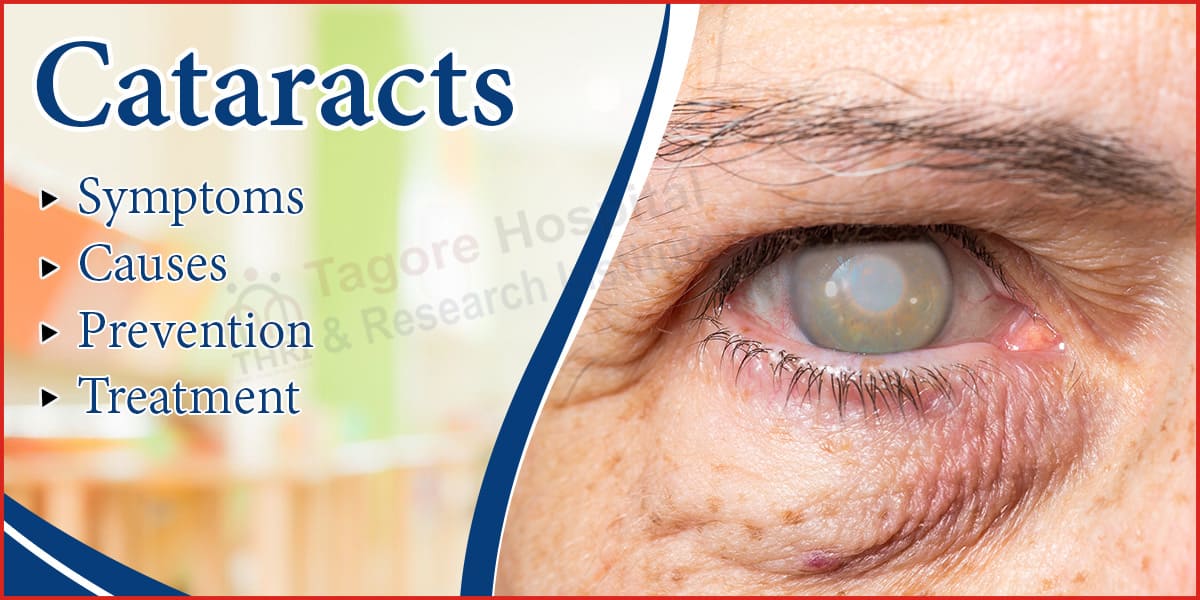
An eye disease that frequently affects how you see is cataracts. Cataracts appear initially as cloudiness on the lens of the eye, which then affects your ability to see clearly and brightly. Initially, cataracts do not disrupt one's day-to-day routine; however, as they progress, it can become extremely challenging for individuals to read, drive, and recognize people.
Fortunately, there are various treatments available for cataracts, including new and innovative treatments for cataracts offered with laser technology, that allow for the safe and restorative treatment of cataracts and help restore your visual acuity.
What are Cataracts?
The term "cataract" refers to the condition when the lens of the eye becomes cloudy. This crystalline structure is located behind the iris (the colored part of your eye) and the pupil (the black hole in the center of your eye), where it focuses light on your retina so you can see clearly. When the proteins in the lens form many small clusters, they block the light from coming through the lens into the retina.
The effect of this blockage is similar to looking through a fogged-up or dirty window. The clarity of the images you see outside your window will decrease and become less sharp. Most cataracts develop slowly, meaning that people may not notice the symptoms (or other problems) until their vision deteriorates significantly enough to become noticeable, often prompting them to seek medical advice at a Best Eye Hospital in Jaipur or a specialised healthcare centre.
What are the Types of Cataracts?
Not all cataracts are alike. The various kinds of cataracts vary depending upon where and how cataracts develop on the lens of the eye. The following are the five main types of cataracts:
1. Age-Related Cataracts
These are the most frequently occurring cataracts in the elderly. They occur as a result of the natural aging process of the lens of the eye.
2. Congenital Cataracts
Congenital cataracts may be a result of genetic issues, infections during pregnancy and other types of metabolic disorders and they are often present at birth or developed shortly thereafter in children.
3. Traumatic Cataracts
Traumatic cataracts develop after an injury to the eye and are often seen years later as a result. They may be the consequence of damage caused by exposure to trauma, accidents, or injuries and are usually caused from the injury to the eye.
4. Secondary Cataracts
Secondary cataracts develop because of an underlying medical condition, such as diabetes or as a consequence of taking long term steroid medications.
5. Radiation Cataracts
Radiation cataracts develop as a result of being exposed to radiation during the course of cancer treatment.
You can read also:- Bladder Infection: Symptoms, Causes & Treatment
What are the Symptoms of Cataracts?
Cataracts initially show only mild symptoms which gradually become more apparent as time passes. Some examples include:
- Blurred and/or cloudy eyesight
- Trouble seeing while out walking at night
- Increased sensitivity to daylight and/or glares from shiny objects
- The perception of faded/yellowed coloured objects;
- The ability to visualize Double vision (in one eye)
- Frequent changes in the strength of eyeglass prescriptions;
- Trouble identifying reading materials and/or recognizing acquaintances or other individuals through visual means.
Who is at Risk of Cataracts?
While anyone can develop cataracts, certain risk factors can significantly increase an individual's chances of having cataracts develop. Below is a discussion of the major risk factors associated with the development of cataracts:
- Aging - Aging is one of the top risk factors associated with cataracts.
- Diabetes
- Smoking/Heavy Drinking
- Prolonged Exposure to UV Rays (Sun)
- Long Term Steroid Use
- Family History of Cataracts
- Prior Eye Trauma/History of Eye Surgery
- Poor Nutritional Health
How are Cataracts Diagnosed?
A complete eye exam by an eye doctor is required to detect Cataracts. An eye doctor will do several tests during a complete eye examination, including:
- Visual acuity: Tests how well you see with your best eye.
- Slit lamp examination: Used by an eye doctor, who uses a small microscope to look and evaluate the structures inside your eye.
- Retinal examination: Looks at the back part of your eye.
- Dilated eye examination: Allows the doctor to look at the lens of your eye and determine if the lens is cloudy (indicating cataracts).
When cataracts are diagnosed early enough, treatments are available and can be effective.
How are Cataracts Treated?
Non-Surgical Treatment for Cataracts (Early Stage)
Stronger glasses, anti-glare lenses, adequate lighting, and magnifying glasses can all be used to treat cataracts during the early stages of their development; however, these methods will not treat the cataract, but will temporarily relieve the symptom caused by it.
Surgical Treatment (Definitive Solution)
Cataracts' only permanent cure is surgical treatment. The treatment method used in modern cataract surgery is a contemporary, quick, safe, and effective.
The best treatment options for cataracts include:
1. Phacoemulsification implants artificial lenses using tiny incisions and uses ultrasound to break up the cloudy lens.
2. Laser cataract surgery is an advanced way to improve precision in surgery and recovery.
3. The steps of the cataract operation include: the use of anaesthetic to numb the eye, create a small incision, remove the cloudy lens from the eye, implant the artificial lens into the eye, and the patient experiencing improved vision within days of surgery.
You can read also:- Endometriosis: Symptoms, Causes and Treatment
Can Cataracts Be Prevented?
Cataracts May Progression Can Be Reduced with:
- Use of Sunglasses That Offer UV Protection;
- Diets Rich in Antioxidants(Fruits/Veggies);
- Appropriate Management of Diabetes; Avoiding Tobacco Products and Drinking Too Much Alcohol;
- Regular Eye Examinations and Preventing Eye Injuries.
Why Early Treatment Matters?
If you wait to treat cataracts, you may have to deal with severe vision loss, an increase in the risks of falling, loss of independence, and a risk of complications during surgery when the cataract becomes too mature. The earlier you treat cataracts, the easier your surgery will be, the quicker your recovery, and the better your vision will be.
Conclusion
The Tagore Hospital, Jaipur understands how important it is to have a healthy eye-sight. When a person has Cataracts (cloudy lens), they lose their ability to do normal things in life (like work and enjoy their family) as they age progressively. The best way to help your eyes is to use the latest advanced diagnostic equipment and laser cataract surgery to ensure the safest, most comfortable, and most successful outcomes possible for each individual patient. So if you suspect that you have cataracts, seek evaluation as soon as possible; this will enable us to treat you early, improving the success rate of your recovery.
To get your Cataracts treated or for any questions about Cataracts or any of our other eye services, please contact us at The Tagore Group of Hospitals today! You have a right to see well!
FAQs
1. What is the most effective way to treat cataracts?
The only way to treat cataracts effectively is through surgery. Modern techniques of surgery like laser cataract surgery and phacoemulsification have made it safe and effective to treat cataracts with modern technology.
2. Will cataracts ever go away on their own without surgery?
Cataracts will never go away on their own, and there are no medical treatments (i.e. medications or drops) to directly resolve cataracts. Therefore, all non-surgical treatments will only temporarily relieve symptoms of the cataract.
3. Is cataract surgery painful?
Patients do not experience pain during cataract surgery because a local anesthetic is used to numb the area. As a result, most patients feel comfortable both during the procedure and afterwards.
Tags