- By THRI Admin
- Posted January 09, 2026
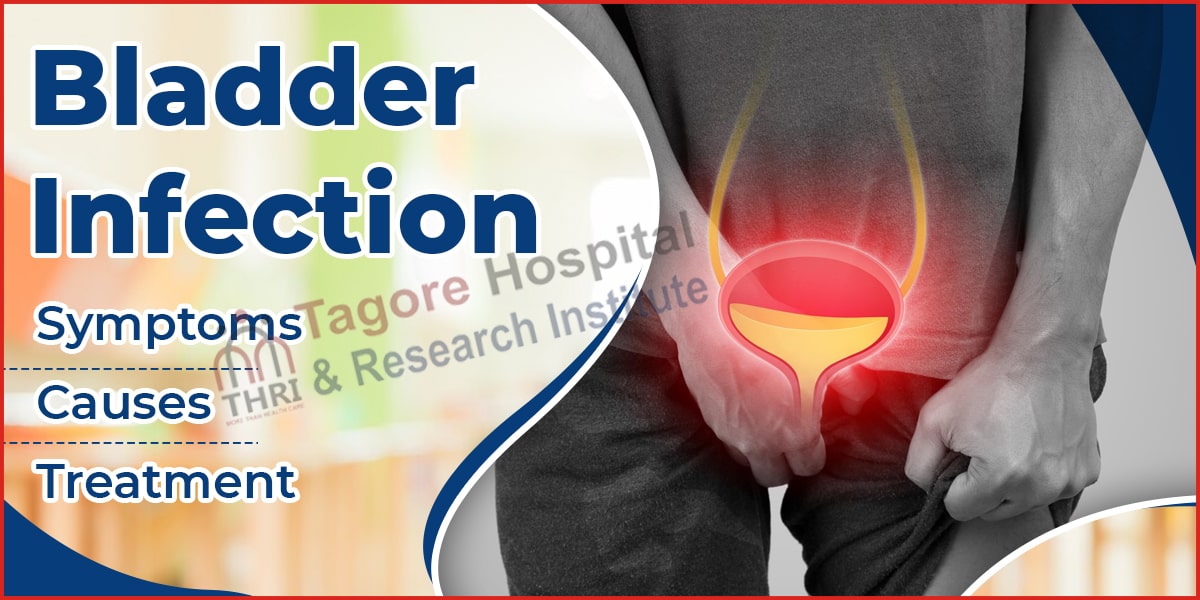
Bladder infections are a very common type of urinary tract infection (UTI) that almost everyone will experience at least once in their lifetime. If you've ever experienced a burning sensation while urinating, had an uncontrollable urge to use the bathroom or felt pain in your lower abdomen, you've experienced a bladder infection.
Although bladder infections are usually not a serious issue if caught early, ignoring them can cause complications. This article will provide information about bladder infections, including how they occur, how to recognize them in the early phases, and how to treat and prevent them. The vocabulary used will be simple, everyday language.
What is a Bladder Infection?
Bladder infections are classified as a UTI, which is defined as the presence and subsequent growth of bacteria along the urinary tract. They are medically referred to as Cystitis. Cystitis is caused when bacteria from the intestines enter the urethra and travel upwards into the bladder cavity.
Although bladder infections can occur in both genders, these conditions are more women-prone because of the shorter length of their urethra, which thus, facilitates the bacteria to infect the bladder quicker. However, the underlying causes of UTI in men could be more complicated and at times, prostate problems or urinary blockage might be involved as causes.
What Are The Common Symptoms Of A Bladder Infection?
By identifying the initial signs early, treatment may be enhanced and symptoms could be alleviated sooner, especially when evaluated at a Best Urology Hospital in Jaipur. The following are common signs associated with a bladder infection; they might start out mild or subtle and then progress over several days or weeks to more severe levels.
Symptoms commonly associated with bladder infection include:
- Frequent or an urgent need to urinate (in some cases only a drop or two)
- Burning or stinging during urination
- The presence of cloudy or darker urine, or urine that is odorous
- Pressure or discomfort in the abdomen and/or pelvic area.
- Fever (usually low-grade) or general malaise.
- Hematuria (blood in the urine; this is rare).
There are also several reasons why people try to seek relief from the discomfort associated with bladder infections as quickly as possible. One reason is their inability to perform many of the basic daily tasks (work, sleep, etc) they normally perform will be inhibited by the pain associated with a bladder infection. Another reason is the range of potential symptoms that an adult male can experience, including a painful rectum, while older adults may exhibit unusual behaviours such as confusion, disorientation and sleepiness.
What Causes a Bladder Infection?
The most common bacteria that cause bladder infections are E.coli, which is an opportunistic pathogen that infects several areas in the body depending on where bacteria are housed.
There are several causes of bladder infections including:
- retention of urine for long periods of time (waiting until the last minute to empty your bladder),
- improper toilet hygiene (wiping from the back to the front),
- not drinking enough fluids,
- sexual intercourse can introduce pathogens into your urinary tract,
- urinary catheterisation,
- obstructed urinary tracts due to kidney stones/enlarged prostate, or other issues.
You can read also:- Endometriosis: Symptoms, Causes and Treatment
What Are the Risk Factors for Bladder Infection?
Some populations are more likely to experience a bladder infection than others. If you know the risk factors associated with developing a bladder infection, you will be able to take action to minimize your chance of developing one. Risk factors for urinary tract infection include the following:
- Female Gender
- Pregnancy
- Diabetes
- Menopause
- Contaceptives / Diaphragms
- Weakened Immune System
- Prostate Enlargement (in Men)
In men, bladder infections can usually be traced to prostate issues and urinary retention. A complete medical evaluation should be performed by a medical provider if a man develops a bladder infection.
How Is a Bladder Infection Diagnosed?
Bladder infections are diagnosed by a physician after the patient describes the symptoms associated with having a bladder infection. The majority of the time, diagnosing a bladder infection is a very quick and straightforward process. If symptoms persist for 1-2 days before seeking a medical evaluation, the possibility of developing pyelonephritis (kidney infection) increases.
Diagnosis may involve:
- Urine test (urinalysis) to detect the presence of bacteria and white blood cells
- Urine culture to find out the exact bacteria
- Ultrasound or other imaging techniques (in case of recurrent or complicated)
What Is the Best Treatment for a Bladder Infection?
Many people ask about fast and easy at home treatments for bladder infections as well as how to recover from them quickly. The standard medical treatment for bladder infections (and other infections) is Antibiotics. Antibiotic will be prescribed according to the results of your culture/test. In addition, the following medications may be prescribed to help with the discomfort associated with bladder infections: Antiinflammatory analgesics (for pain and discomfort associated with urination). In addition to what has been listed as 'Medications', the following, 'Home Remedies' have also been listed below:
Home remedies/ remedies to provide relief while you heal:
Although home remedies won't replace antibiotics, they can be supportive during the recovery process. Drink plenty of water to flush bacteria out of your bladder. Place a heating pad on your lower abdomen for the pain. Avoid drinking caffeinated, alcoholic or hot beverages. All of the above should be applied intermittently while you are healing, as all will help relieve some of the discomfort caused by bladder infections.
Avoid the following foods if you are suffering from bladder infections:
Food is more important than you may think; other than IBS, There are several types of foods that irritate the bladder and can make your symptoms worse. If you are suffering from bladder infections, do not eat:
- Soda
- Coffee / Tea
- Citrus fruits and their juices
- Very hot foods
- Non-caloric sweeteners
Instead, drink lots of water, eat mild soups, eat easily digestible food, etc., which is beneficial in your healing process.
You can read also:- Transaminitis: Symptoms, Causes, Conditions, and Treatment
How Can You Prevent Bladder Infections?
Preventing bladder infections is the most effective way to treat them. You can do everyday tasks that will lessen the chance of developing bladder infections.
To reduce the likelihood of developing bladder infections, these five suggestions are helpful:
- Drink Plenty of Water Each Day
- Urinate Quickly If You Feel the Need To Urinate
- Wash Areas On The Body Where Urine Is Excreted
- Urinate After Sexual Relations
- Wear Cotton Underwear, Which Allows Skin To Breathe, Instead Of Synthetic Fabrics.
While this guideline helps you prevent bladder infections, if you have ever had any history of bladder infections, you should continue to follow these daily guidelines.
Conclusion
If UTIs are treated early, they don't have to be too painful. You should see your doctor right away and practice self-care until your doctor sees you. We encourage patients to take care of themselves by having their diagnoses completed by Tagore Hospital as soon as possible and to be treated with care in order to ensure you are comfortable during your healing process. You should also focus on taking care of your urinary system because having a healthy urinary system is a huge benefit to your overall health.
Frequently Asked Questions (FAQs)
1. Can a bladder infection just heal without medical treatment?
Drinking more water during mild cases can help them improve, but the bacteria in most bladder infections usually need antibiotic therapy in order to be completely eliminated.
2. Can a bladder infection turn serious if I do not seek medical care for it?
Without proper treatment, bladder infections can lead to serious kidney-related diseases.
3. How long does it take to recover from a bladder infection?
Although the duration of symptoms varies for each individual, most people will notice relief from symptoms within two or three days of starting antibiotics. However, it is essential to take all prescribed medications to ensure full recovery.
Tags