- By THRI Admin
- Posted December 29, 2025
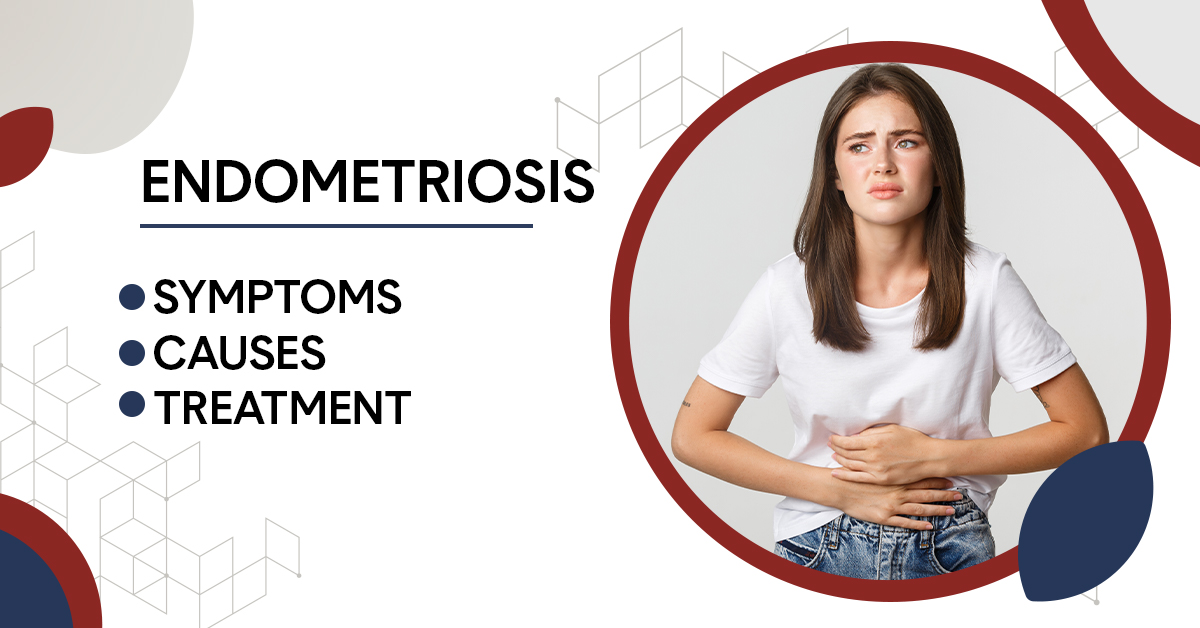
Endometriosis is an often unbearable disorder during which tissue just like the tissue that normally lines the within of your uterus grows outside your uterus. Largely it involves your ovaries, fallopian tubes and also the tissue lining your pelvis. Rarely, endometrial-like tissue could also be found beyond the area where pelvic organs are located. It is very common among those in their 30s and 40s. It can quite affect a person’s quality of life.
Symptoms of Endometriosis:
The fundamental indication of endometriosis is pelvic pain, frequently related to menstrual periods. Though many experiences cramping during their menstrual periods, those with endometriosis commonly describe menstrual pain that's far worse than usual. Pain also may increase over time.
Common indications and symptoms of Endometriosis include:
- Painful periods - You may feel pelvic pain and cramp for several days into a menstrual period. Lower back and abdominal pain may also be there.
- Pain with intercourse - During or after intercourse, you may feel the pain.
- Pain with bowel movements or urination.
- Excessive bleeding. You may experience periodic excessive bleeding between periods.
- You may experience fatigue, diarrhoea, constipation, bloating or nausea.
The severity of your pain may not be a valid indicator of the extent of your disorder. You could have mild endometriosis with significant pain, or you could have advanced endometriosis with little or no pain. So, if you feel any kind of problem-related to this then immediately concern the doctor.
You can read also:- Transaminitis: Symptoms, Causes, Conditions, and Treatment
Causes of Endometriosis:
Though the actual reason for endometriosis is not specific. So let's look at the possible one:
- Retrograde menstruation:- In this, menstrual blood comprising endometrial cells flows back through the fallopian tubes and into the pelvic cavity instead of out of the body. These endometrial cells stick with the pelvic partitions and surfaces of pelvic organs, which they develop and retain to thicken and bleed all through every menstrual cycle.
- Embryonic cell transformation:- Hormones such as estrogen may transform embryonic cells into endometrial-like cell implants during puberty.
- Surgical scar implantation:- After a surgery, such as a hysterectomy or C-section, endometrial cells may attach to a surgical incision and lead to Endometriosis.
- Endometrial cell transport:- The blood vessels or tissue fluid system may transport endometrial cells to other parts of the body.
- Immune system disorder:- An issue with the disorder immune system is that it may make the body unable to recognize and demolish endometrial-like tissue that's growing outside the uterus.
Some other possible causes are:-
- Genetic factors
- Short-length periods
- Excessive consumption of caffeine and alcohol
The doctor might presume endometriosis based on your symptoms. But to confirm it, they can do tests following tests to proceed with the medical treatment:-
- Pelvic exam.
- Imaging tests.
- Laparoscopy.
- Biopsy.
Surgical laparoscopy is a promising way to confirm a diagnosis of endometriosis.
Treatments of Endometriosis:
There is currently no single best treatment for endometriosis, but several options can help manage symptoms and improve quality of life. Treatment plans in Obstetrics & Gynaecology are usually personalised based on the severity of symptoms, age, and fertility goals. In most cases, the management of endometriosis includes medication, surgery, or a combination of both.
- Pain Relief Medicine- The doctor may recommend an over-the-counter pain reliever. Usually, Non-steroidal anti-inflammatory drugs (NSAIDs) like ibuprofen or naproxen work for many people.
- Hormonal treatment- Hormonal treatment/therapy reduces the amount of estrogen your body generates and can stop your period.
- Surgery- The Doctor might suggest surgery to take out as much of the affected tissue as soon as possible. Pain sometimes comes back after surgery.
- Fertility treatment:- If endometriosis affects fertility, in-vitro fertilization may be an alternative.
- Natural remedies:- Some alternative treatments and lifestyle choices may work to manage endometriosis symptoms. These are as follows:-
- herbal medicine
- avoiding caffeine
- hypnosis
- counselling
- regular exercise
Conclusion
Endometriosis is a complex condition that can significantly impact physical health, emotional well-being, and daily life if left untreated. Early diagnosis, proper medical guidance, and the right treatment plan can help manage symptoms effectively and improve quality of life. If you are experiencing persistent pelvic pain or related symptoms, seeking timely medical care is essential. Expert consultation, advanced diagnostics, and personalized treatment options at Tagore Hospital can help patients take informed steps toward long-term relief and better reproductive health.
Tags