- By Tagore Hospital
- Posted September 18, 2025
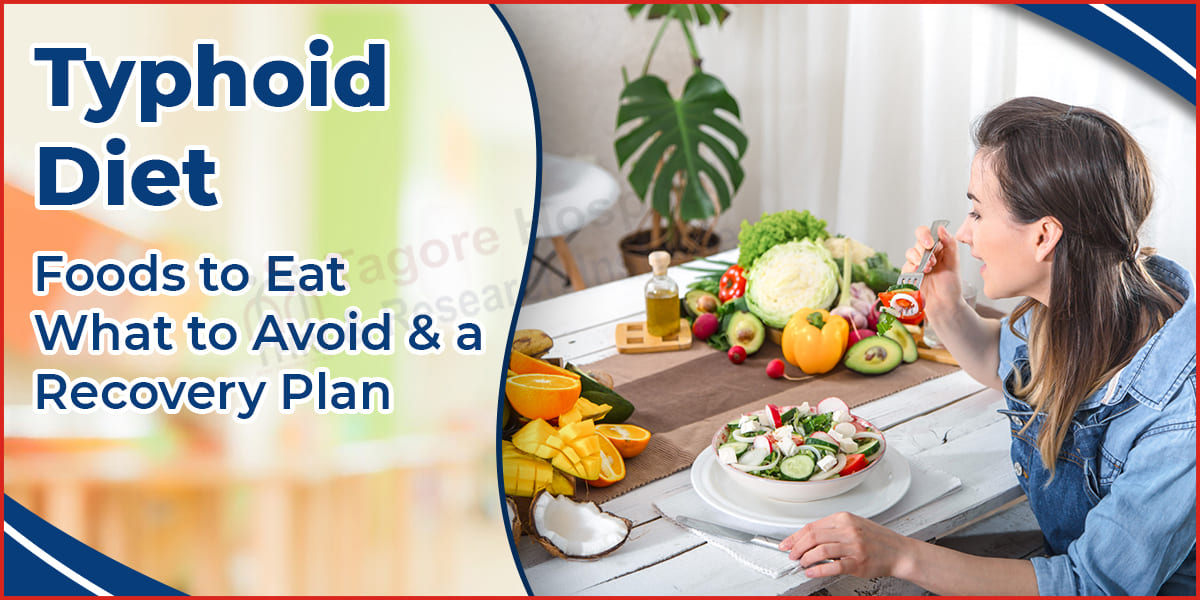
Typhoid fever is a serious disease of consumption of Salmonella typhi bacteria. To treat it, medication is an important factor—but nutritional care is an important aspect of supportive care also. A well designed typhoid diet or typhoid recovery diet plan will allow the body to fight the infection, recover energy levels, boost digestion, and heal faster.
In this post, we will discuss what a typhoid diet is, the benefits of following a typhoid diet correctly, what foods to eat and not eat, and provide example diet plans. This information is intended to be useful in the interest of wellness; patients should also rely on medical advice from competent doctors.
What is a Typhoid Diet?
A typhoid diet describes a dietary approach specifically designed for people with typhoid fever. The illness affects the intestinal area, and causes high fevers, loss of appetite, nausea, vomiting, diarrhea, abdominal pain, dehydration, and extreme fatigue. The gut and digestive system is being stressed, and nutrition is often being depleted.
So the diet is designed to focus on:
- Soft, bland, easily digestible foods
- High in energy (calories) and protein
- Low in fiber initially, to minimize irritation of the gut lining
- Sufficient fluids + electrolytes, to deal with dehydration
- Eliminating foods that cause irritations, gas, or take time to digest.
Benefits of a Proper Typhoid Diet
Why is it important to implement a proper diet with typhoid? Here are some benefits:
- Faster Recovery: Nutritional support gives the immune system what it needs to fight the infection. Since the patient is getting enough calories and protein, the body is able to repair damaged tissues, regenerate immune cells, and return the body to pre-illness metabolic rates more quickly.
- Reduced Complications: Offering easily digestible and bland food reduces the level of stress and irritation on the intestinal lining. This decreases the chances of complications such as severe diarrhea, intestinal bleeding or perforation, and prolonged gut dysfunction.
- Maintenance of Strength & Prevention of Weight Loss: Typhoid often comes with anorexia (loss of appetite), wasting (loss of weight/muscle), and metabolic slow down. A diet that is energy-dense, protein-rich as well as micronutrient-rich, enables one to avoid excessive loss of weight and wasting of lean body tissues.
- Hydration and Electrolyte Balance: Fever, vomiting, and diarrhea all contribute to significant fluid and salt loss. Patients can suffer exacerbated symptoms without treatment of replacement fluids and electrolytes.
- Better Digestion and Reduced Symptoms: To avoid any irritation (spicy foods, raw foods, and high fiber), patients should have less gas, bloating, nausea, and pain. Easily digestible foods allow the digestive system to have less burden.
You can read also:- Jaundice: What It Is, Symptoms, Causes & Treatment
What Foods to Eat During Typhoid Fever (Typhoid Diet Foods to Eat)
Here is the Typhoid Recovery Diet Plan organized by list:
1. Rehydrating Fluids & Electrolytes
Examples:
- Oral Rehydration Solution (ORS)
- Clean, boiled water
- Tender coconut, coconut water
- Non-citrus juices, diluted
- Clear broth, soups
How It Helps:
- Rehydrates
- Replenishes lost salts & electrolytes
2. Soft, Easy to Digest Carbohydrates
Examples:
- White rice
- Moong dal + rice (khichdi)
- Upma (suji)
- Oatmeal (daliya)
- Boiled or mashed potato
- Soft, no crust bread or soft toast
How It Helps:
- Provides energy
- Easy on the digestive system
3. Easy Protein Sources
Examples:
- Soft-cooked or scrambled eggs
- Moong dal
- Cottage cheese or paneer
- Yogurt or curd
- Soft tofu if vegetarian
- Boiled chicken or difficult to digest lean meat if non-vegetarian
How They Help:
- Rebuilding tissues
- Immune system support
4. Cooked / Soft Fruits & Vegetables
Examples:
- Bananas (ripe)
- Peeled or stewed apples
- Boiled carrots, pumpkin, squash, or bottle gourd (steamed as well)
- Cooked or mashed (cooked consistency pilot project)
How They Help:
- Long range vitamins, minerals and anti-oxidants
- Good for digestive tracking
5. Dairy & Probiotics (If Usual Diet Accommodates)
Examples for dairy/ probiotics:
- Yogurt or curd
- Buttermilk
- Low-fat milk; after the acute stage
How They Help with Digestion:
- Propagating gut flora or digestive biota
- Calcium and protein
What Foods to Avoid During Typhoid (Typhoid Diet Food to Avoid)
Sometimes, there are foods that can worsen symptom, or prevent your recovery. The following are some foods to avoid in a diet of typhoid:
High Fiber, Raw, & Whole Grains:
- Raw vegetables and salad; whole grains, for example brown rice, barley, millet; legumes in large amounts; foods with skins and seeds.
- These can irritate your gut, can increase your risk of gas, bloating, and gut discomfort.
Spicy, Fried, Oily Foods:
- spices such as chili, pepper, strong seasoning; deep fried food; greasy food.
- These can increase inflammation, worsen nausea, and upset stomach.
Heavy Dairy & High-Fat Foods (at first):
- foods with lots of butter, ghee, cream; full-fat cheeses; heavy desserts, as these are more difficult to digest during a period of acute illness.
- Raw Food, Food that is unsanitary or food that you did not wash:
- fruit and vegetables that you did not wash before eating; unpeeled produce; raw meat or fish; street foods with sketchy hygiene; unboiled water and ice.
- These can be a source of bacteria and can reinfect.
Sugary, Caffeinated & Carbonated Drinks:
- excessive amounts of sugar could aggravate diarrhea; caffeine and fizzy drinks may dehydrate; acidic sodas may irritate your gut.
You can read also:- Allergies in Children: Causes, Symptoms & Care
Sample Typhoid Recovery Diet Plan
Here's a shorter bullet point addressing the two approach-Plan.
Early Recovery (3-7 days)
(eg., often have fever, poor appetite and diarrhea or vomiting)
Morning : - Warm boiled water + ORS or coconut water
Breakfast : - Light porridge (suji/daliya or soft khichdi, rice + moong dal)
- Still little salt, no spices
Mid-Morning : - Ripe banana or applesauce
Lunch : - Soft rice + light dal + boiled/steamed vegetables (carrot or pumpkin)
- little bit of curd (if tolerated)
Afternoon : - Diluted juice (not citrus) or buttermilk
Evening : - Light vegetable soup
Dinner : - Soft rice or boiled potato + light broth soup
Before Bed: - Warm diluted milk or herbal tea (if no nausea)
Later Recovery (after fever gone / strength improves)
(7-14 days onward, appetite returns)
Morning : - Soft omelette or scrambled eggs OR paneer bhurji + soft chapati (if tolerated)
Mid-Morning : - Fresh, but peeled fruit eg. banana, apple
- yogurt, maybe
Lunch : - rice + dal + steamed vegetables + small amount of lean meat or fish (or no veg)
Afternoon : - coconut water, fresh juice - snack like boiled potatoes or suji halwa
Dinner : - light soups + soft roti/chapati/rice
- soft vegetable + protein
Importance of a Proper Diet for Typhoid Recovery
A well-calculated typhoid food plan concept has meaning beyond merely providing sustenance—anin almost a treatment plan:
- Support immune function: Sufficient protein and vitamins (A, B-complex, C) and minerals to help immune cells work to fight the bacteria.
- Prevent malnutrition & weakness: Weakness and muscle loss is common; nutrition can help regain strength.
- Gut healing: The intestinal lining gets stressed and potentially damaged; bland/low-irritant diet provides healing.
- Prevent secondary infections: Good hygiene and diet can reduce the risk of further gut infections as well as typhoid re-infection or infection by other pathogens.
- Overall outcome: Reduced length of hospital stay, fewer complications, quicker return to normal life.
Conclusion
Typhoid is not easy, but if you have proper care, recovery becomes easier—and diet is an integral part of care. A typhoid diet that includes easily digestible food, high protein and calories, adequate fluids and electrolytes, and avoidance of irritants can help your body to heal, fight infection, and gain strength.
At Tagore Hospital, Jaipur, medical and nutrition teams deliver a balanced recovery plan for all typhoid patients. If you are recovering from typhoid—or caring for someone with typhoid—do not underestimate the importance of nutritional care. Combined with a medical treatment plan that is guided by a medical expert, adhering to a proper typhoid diet can positively affect outcomes and accelerate a return to health.
Tags