- By THRI Admin
- Posted August 10, 2026
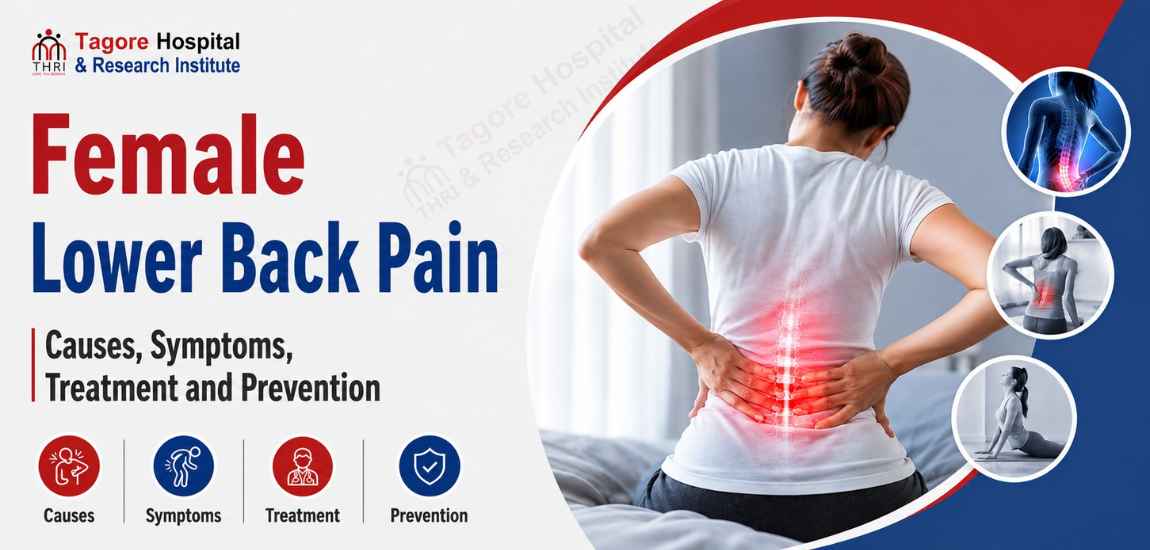
The problem of lower back pain is widespread among women across all ages. In particular, lower back pain in women may arise because of muscle strain, poor posture, menstrual issues, pregnancy, hormonal change, spinal disorders, and certain pelvic and urinary conditions. Lower back pain may cease with rest and appropriate self-care; however, if the pain persists for a prolonged period of time, it should not be ignored.
Knowing what causes lower back pain in women, recognising the signs of lower back pain, and seeing your doctor for a timely diagnosis can prevent chronic pain from developing.
What Is Female Lower Back Pain?
Lower back pain in women is defined as discomfort, soreness, stiffness, or pain occurring in the region between the lower ribs and buttocks. The occurrence may be sudden as a result of lifting or bending or may develop over time as a result of prolonged sitting or underlying medical condition. Department of Orthopedic The pain can remain in the lower back area or travel to the buttocks or legs.
What Causes Lower Back Pain in Women?
There is no one specific cause of lower back pain in women. Several factors are thought to lead to lower back pain, such as:
1. Muscle strain and poor posture
Prolonged sitting, improper lifting techniques, sudden movement, or strenuous activities can put strain on muscles and ligaments that support the back. Bad posture when using a computer or smartphone can increase strain on the lower back.
2. Menstruation
Pain during a period can radiate from the abdomen to the lower back; conditions such as endometriosis, fibroids, adenomyosis, and ovarian cysts can also produce pain in the pelvis or back.
3. Pregnancy
Back pain is very common during pregnancy. As the uterus expands, the center of mass shifts and abdominal muscles stretch, thus straining the back. Additionally, pregnancy hormones make the pelvic joints more lax.
4. Spinal Conditions
Spinal problems such as herniated discs, sciatica, spinal stenosis, and arthritis might cause chronic lower back pain.
5. Conditions of the pelvic area.
Back pain that is accompanied by a fever, painful urination, pelvic pain, or other urinary symptoms may be due to a urinary tract infection or kidney dysfunction. In cases when a woman has pelvic pain, a check-up for female health conditions may also be necessary.
6. Lifestyle factors.
The chances of back problems may be higher due to lack of exercise, obesity, weak core muscles, standing for long periods of time, and poor ergonomics.
You Can Also Read:- How to Stop Gum Bleeding Immediately: Causes, Home Remedies, Treatment & Prevention
What Are the Lower Back Pain Symptoms in Females That Should Not Be Ignored?
The signs of low back pain can differ based on the reason. Indications that come with this condition include:
- Dull, aching, or stabbing feeling in lower back
- Lower back stiffness, especially after sitting or getting up
- Pain aggravated by bending, lifting, or remaining seated for long periods.
- Pain in the buttocks or legs
- Muscle tension or cramps
- Tingling, numbness, or weakness in the leg.
It is important to know that various indications require immediate medical attention. It is advised to seek treatment immediately if a person with back pain experiences severe weakness or numbness in the legs, loses control of bladder or bowel processes, feels nauseous or experiences severe abdominal or pelvic troubles.
As for pregnant women, they should consult a doctor about lower back ache, fever, urination pain, bleeding, or other disturbing symptoms.
What Are the Diagnosis and Treatment Options for Female Lower Back Pain?
The course of treatment is determined by the basis of the discomfort, how serious it is, how long it lasts, and what symptoms accompany it.
A doctor may start with the patient’s medical history and physical exam. Depending on the discomfort, further diagnostic procedures can include X-rays, MRI, blood analysis, urinalysis, or ultrasound.
In the case of a straightforward muscle-related pain, the treatment will likely consist of the following:
- Short periods of rest with no long bed rest.
- Gentle activities and exercises.
- Physical therapy aimed at improving muscle strength, flexibility, body posture, and mobility.
- Using either heat or cold for the relief of pain.
- Following a prescription made by a medical practitioner.
- Following ergonomic principles at work and home.
If the pain is caused by a specific condition like a herniated disc, arthritis, endometriosis, or any other condition, treatment must be directed towards that condition. Surgery normally rejoices into place when it's considered clinically relevant and proper, especially in the case when conservative treatment can’t cure the disease.
You Can Also Read:- Body Aches - Causes, Symptoms, Treatment, Prevention
How Can Women Prevent Lower Back Pain?
Following these simple practices has the potential to lower the likelihood of the return of back pain:
- Good posture should be maintained while seated and standing.
- Regular stretching breaks should be taken when sitting.
- Core, back, hip, and leg muscles should be made stronger through exercise.
- The back should not bend during lifting. Instead, the knees should be bent.
- Healthy weight should be maintained.
- Supportive shoes should be used.
- Especially the chair and the workstation need to be adjusted for maximal support.
- All sorts of exercise should be started slowly and increased gradually.
- Pregnant women should ask their doctors for advice on how to stay active with an unsupported back.
When Should You See a Doctor for Lower Back Pain?
If the pain is intense, keeps resurfacing, has an impact on everyday functions, comes after an injury, or is unresponsive to basic treatment, it may be a good idea to make an appointment with a medical provider. Consult a doctor if back pain comes with fever, weight loss, night pain that does not go away, victims show signs of numbness or weakened limbs, as well as bladder and bowel problems, and pelvic issues.
Pregnant women, or those who suspect they may be pregnant, should get help when experiencing back pain, especially if it is accompanied by signs of vaginal bleeding, fever, painful urination, and cramps.
Conclusion
Pain in the lower back of females can be due to day to day muscular strain and bad posture, as well as menstrual causes, childbirth, spine disorders, pelvic disorders, or kidney diseases. It is crucial to know the underlying cause in order to know which treatment to choose and to prevent recurring pain from happening.
At Tagore Hospital Jaipur, the Orthopaedics Department gives the necessary care to patients suffering pain, both of chronic and acute nature. The hospital has got spine care as one of its orthopaedic services and is run by qualified orthopaedic doctors.
If you have been suffering from constant back pain or pain accompanied by worrying symptoms, do not miss seeing an orthopaedic doctor at Tagore Hospital Jaipur.
Frequently Asked Questions
Q.1 What are the causes of low back pain in women?
Ans. Low back pain has many different causes in women, which include muscular strain, poor posture, prolonged sitting, menstrual pain, pregnancy, spinal disorders, arthritis, and certain pelvic or urinary disorders. The cause is mainly related to the medical history and complaints of the patient.
Q.2 When should I see a doctor for low back pain?
Ans. If the pain is so unbearable that it forces you to change your activities, you have to go to the doctor as soon as possible. In addition, don’t hesitate to consult a physician in the case of severe weakness, inability to empty the bladder or bowel, and numbness in the groin.
Q.3 Are hormonal changes responsible for low back pain?
Ans. Hormonal changes can, in some cases, lead to back and pelvic pain. For instance, during pregnancy, hormones allow possible expansion of the ligaments in the pelvis, while hormonal changes that happen during menstruation lead to a period pain.
Q.4 Is it usual for a woman having lower back pains when pregnant?
Ans. Yes. Having lower back pains during the pregnancy period is very common, especially during the later stages of the pregnancy. However, if the pain becomes too severe or is accompanied by bleeding, fever, painful urination, etc., then it needs to be investigated by a medical professional.
Q.5 What is the best way to get rid of lower back pain in women?
Ans. The best way to treat this condition depends on the cause of the pain. Treatment may include physical therapy, exercises, correcting the posture, using hot or cold packs, following the doctor’s advice about the medications.
Tags