- By THRI Admin
- Posted October 04, 2026
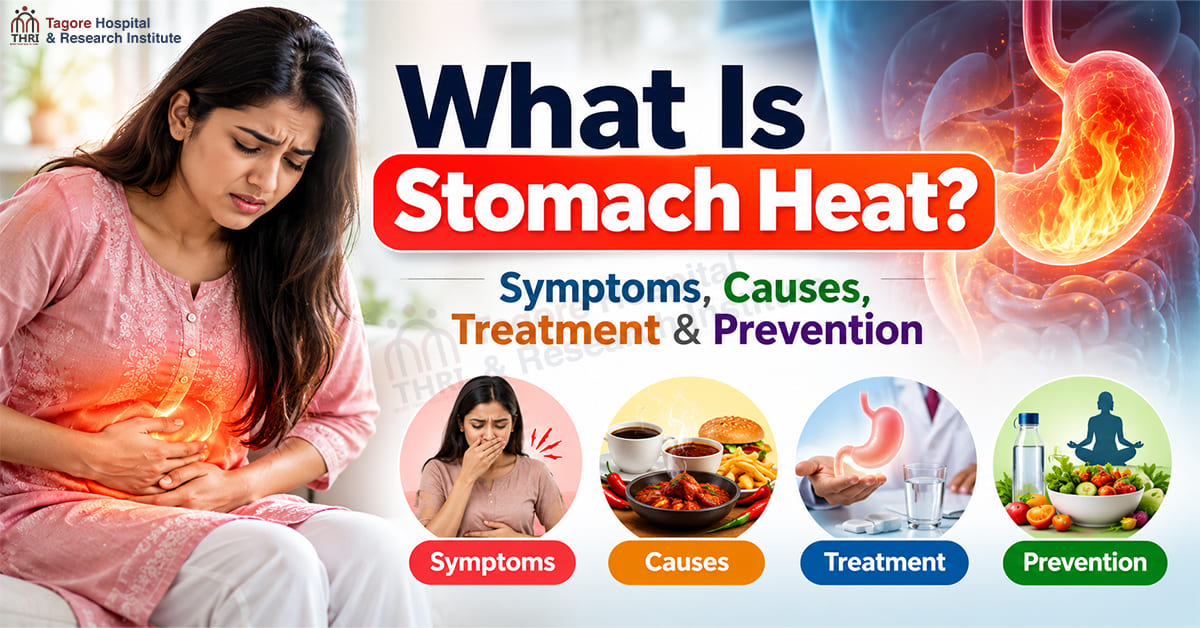
What Is Stomach Heat?
“Stomach heat” is a general expression which refers to the feeling of burning, warm, or uneasy sensation in one’s stomach or abdominal area. It is not a particular medical condition. The term is commonly used in the occurrence of symptoms of acidity, acid reflux, indigestion, gastritis and excessive acid in stomach.
Stomach heat can be noticed after eating spicy or oily foods, having excessive amounts of tea or coffee, eating late at night or not eating for prolonged period of time. Occasional symptoms can be easily manageable but recurrent and severe discomfort may mean that there is some digestive problem that needs medical attention.
What Are the Common Symptoms of Stomach Heat?
Symptoms may differ based on the cause. The signs of stomach heat include:
- Burning feeling in the upper abdomen
- Heartburn or burning in the chest
- Bad or sour taste in the mouth
- Belching
- Bloating and indigestion
- Feeling sick
- Fullness after eating
- Discomfort
- Acid in the throat
Almost no appetiteSometimes stomach burning is a serious condition. If symptoms persist, are severe or are accompanied by vomiting, weight loss, melena, difficulty swallowing and chest pain, visit a Gastroenterology Department doctor immediately.
What Causes Stomach Heat?
There are a number of different reasons for experiencing heat in the stomach. Determining the cause is important to find out which medicine and treatment will work best for you.
1. Spices and fats
Spices, fried and fatty food can lead to irritations and make the acid reflux and burning sensation worse for a person.
2. Excessive amount of tea or coffee
Caffeine can aggravate acid symptoms in some people. Drinking coffee (or tea) several times during the day can make heartburn or gastritis worse.
3. Improper eating habits
Not eating regularly, eating too much at once or eating late in the night can lead to stomach troubles.
4. Stress
Stress is not a direct reason for developing acid but can change the digestive processes in a human body thereby making them more intense and noticeable.
5. Gastritis and Reflux
Gastritis (the inflammation of the stomach wall) and reflux can be the reasons for persistent burning sensations in the stomach.
6. Some Medications
Certain types of medication can irritate the stomach lining. If the problem began after taking some medicine, it is better to consult a doctor.
You Can Also Read :- Knock Knees: Causes, Symptoms, and Effective Treatments
What Is the Best Treatment for Stomach Heat?
To treat heat in the stomach, it is important to understand the exact cause of symptoms. In cases when the symptoms are mild and not very frequent, making lifestyle changes can usually be enough. But more severe symptoms returning frequently or happening due to diseases like acidity reflux, gastritis, etc., may necessitate a doctor’s appointment who will prescribe medications if needed.
The following treatment options can be used:
- Avoidance of food causing burning and acidity
- Eating small meals regularly
- Limiting caffeine and carbonated beverages
- Avoiding horizontal position immediately after eating
- Keeping body weight under control
- Relief of stress and anxiety
- Antacids or medicines to limit acid production under medical supervision.
If the symptoms persist, the patient may be examined for acid reflux, gastritis, ulcers, H.pylori infection or any other digestive issue.
How Can You Reduce Stomach Heat Naturally?
Simple dietary and lifestyle adjustments can be sufficient for occasional mild discomfort.
Stay Hydrated
Being hydrated is crucial for a healthy digestive process. Drink plenty of water during the day instead of a lot of water at once.
Eat Simple Recipes
Makes sure to eat easily digestible food. Decrease the amount of greasy, fried, and spicy food if this food triggers your unpleasant feelings.
Consume Less Amount of Food
Eating big portions gives excessive pressure on an abdomen, which can lead to aggravation of the reflux. Eating small portions is easier to digest.
Avoid Taking a Horizontal Position After Eating
Make sure that you do not lie down after eating for two to three hours after the meal, especially if you have problems with heartburn at night.
Find Your Trigger Food
Keep track of your foods and drinks giving you burning sensation. Most common foods are spicy foods, fatty foods, beverages high in caffeine, chocolate, and some acidic foods, but it varies from person to person.
You Can Also Read :- Hormones and Metabolism: The Hidden Factors Affecting Your Weight
How Can You Prevent Stomach Heat?
Digestive health can minimize recurring symptoms. Preventing stomach heat includes:
- Having regularly planned meals.
- Avoiding overindulging.
- Limiting consumption of spicy, oily and overly processed foods that cause problems.
- Avoiding too much tea, coffee and carbonated drinks.
- Not smoking and drinking too much alcohol.
- Being active.
- Maintaining a normal weight.
- Managing stress through exercise, relaxation or other healthy means of relieving stress.
- Not lying down after meals.
- Taking only the prescribed medicines.
Conclusion
The term “stomach heat” is often used to refer to the experience of burning and/or discomfort in the stomach. However, recurrent problems should not be ignored. Knowing the possible causes of stomach heat and symptoms associated with it, as well as some dietary and lifestyle modifications can alleviate digestive issues.
When stomach discomfort is persistent, severe, or occurs along with symptoms of alarm, it is advisable to consult a qualified gastroenterologist instead of trying home remedies. Tagore Hospital Jaipur offers quality care for digestive and gastrointestinal problems, including diagnosis and treatment of conditions that can cause prolonged problems with acidity, reflux, gastritis, or pain in the abdomen.
Frequently Asked Questions
Q1. How is stomach heat treated?
Ans. The treatment hinges on the underlying cause. Changes in diet, regularity of meals and avoiding individual specific triggers can alleviate mild symptoms. In case of recurring cases of burning, a doctor may prescribe the right treatments after evaluating the issue.
Q2. What medication is prescribed for stomach heat?
Ans. There is no specific medication for stomach heat. Depending on the cause, doctors may suggest different medications such as antacids, alginates, H2 blockers or proton pump inhibitors. Do not apply self-medication.
Q3. Is there a natural way to cure stomach heat?
Ans. There are methods like drinking sufficient amounts of water, having smaller meals, avoiding triggering food, limiting caffeine intake and staying in an upright position after eating. In case symptoms remain unchanged, consult your doctor.
Q4. Is it true that "heat in the stomach" means the same thing as "acidity"?
Ans. Not really. The term "heat in the stomach" refers to discomfort in the digestive tract, while acidity refers to acid-related symptoms, like acidity or gastritis. In addition to these symptoms, acid-related digestive problems may also cause some other symptoms, not necessarily related to acidity.
Q5. Which foods can help to quickly ease the "heat in the stomach"?
Ans. There is no universal food. More nutritious meals with less grease would probably be easier to digest. Foods that cause discomfort should be avoided.
Tags