- By Tagore hospital
- Posted June 24, 2025
Introduction
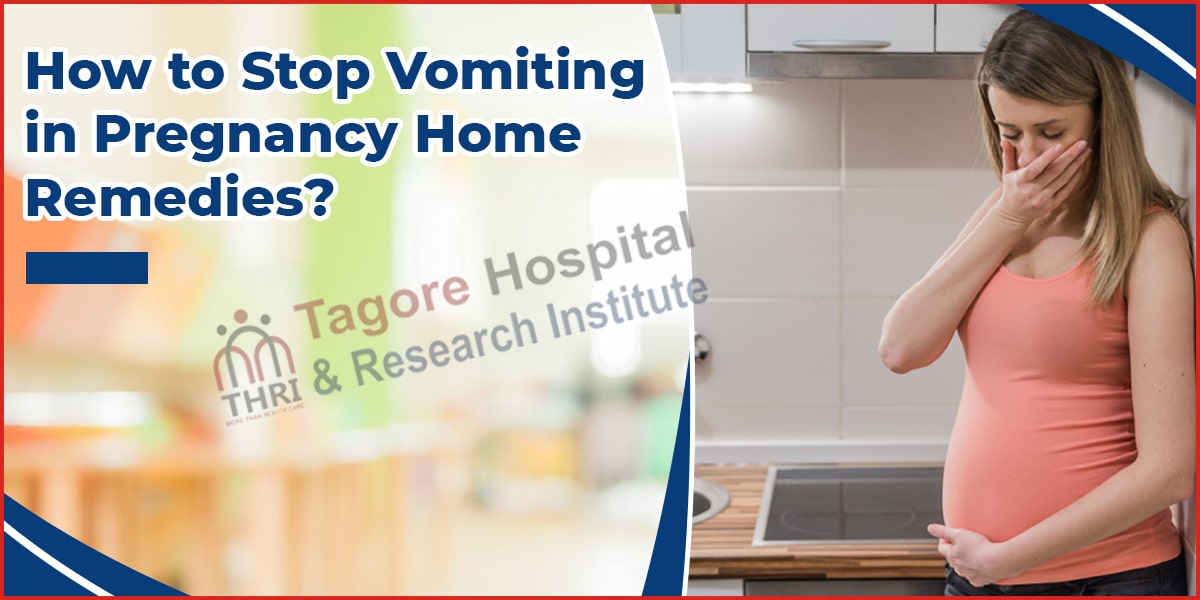
Pregnancy is a beautiful journey but it does have a few uncomfortable glitches. Nausea and vomiting are common in pregnancy and occur particularly in the first trimester. Morning sickness can put a damper on the daily routine of a woman; of course, it also affects her mood and nutritional habits. It varies from barely noticeable discomfort to extreme difficulties.
However, it is important to understand that several methods that are safe and natural can help keep vomiting at bay.
This blog will try to answer questions about why vomiting happens during pregnancy and will describe the best and safest home remedies. It will also give additional tips on lifestyle and hydration and disprove some common myths about morning sickness remedies.
Vomiting during pregnancy mainly occurs because of hormonal changes, principally because of changes in human chorionic gonadotropin (hCG) and estrogen levels. In the early part of pregnancy, the onset of these hormones supposedly causes nausea. These are among the other possible causes:
Though these symptoms are said to come only in the morning, the nausea and vomiting can strike at any time of the day. For most women, it starts at about the 6th week of pregnancy and eases off after the 12th week, although some may continue much longer.
Why Vomiting Happens During Pregnancy?
Vomiting during pregnancy mainly occurs because of hormonal changes, principally because of changes in human chorionic gonadotropin (hCG) and estrogen levels. In the early part of pregnancy, the onset of these hormones supposedly causes nausea. These are among the other possible causes:
- Increased sensitivity to odors
- Stress and fatigue
- Slowed digestive system
- Low blood sugar levels
Though these symptoms are said to come only in the morning, the nausea and vomiting can strike at any time of the day. For most women, it starts at about the 6th week of pregnancy and eases off after the 12th week, although some may continue much longer.
You can read also:- Newborn Baby Cold Home remedies: Natural Alternatives
Safe Home Remedies to Stop Vomiting in Pregnancy
If you are experiencing nausea during your pregnancy, there are a few safe remedies that you can try at home.
1. Ginger Tea or Ginger Chews
Ginger has anti-nausea properties and is frequently recommended.
- How to use it: Sip ginger tea, chew on ginger candy, or grate fresh ginger into warm water with some honey.
- Tip: Do not use ginger products if they are overly spicy and irritate your stomach.
2. Lemon Scent or Lemon Water
The refreshing scent of lemon or the flavor of lemon water can reduce nausea.
- How to use it: Keep a cut lemon nearby and sniff it when you are feeling nauseous. You can also squeeze fresh lemon into both warm and cold water and sip it all day long.
3. Peppermint Tea or Oil
Peppermint is a natural way to calm stomach muscles and help digestion.
- How to use it: Brew peppermint tea or sniff peppermint essential oil (using a rubber) or a cotton ball. Some women get relief sucking on peppermint candies.
4. Small, Frequent Meals
An empty stomach will make nausea feel worse; on the other hand, a full stomach could make you vomit.
- How to apply: Eat small meals, every 2 - 3 hours, and try to consume bland, low-fiber foods that are easy to digest - toast, crackers, bananas, rice, boiled potatoes.
5. Vitamin B6 Supplements
Studies have demonstrated that Vitamin B6 can greatly reduce nausea in pregnancy.
- How to apply: Talk to your healthcare provider about the right amount of supplements. Some prenatal vitamins, may already contain enough vitamin B6.
6. Cold Foods Instead of Warm Meals
Heated food usually comes with smells that could cause vomiting.
- How to apply: When feeling nauseous, try eating cold or room temperature foods - yogurt, smoothies, salads.
7. Coconut Water
Coconut water is soothing, hydrating, full of electrolytes - great if you are experiencing dehydration from vomiting.
- How to apply: Take small sips throughout the day, especially after periods of vomiting.
Lifestyle Changes and Hydration Tips
In addition to home remedies, some adjustments to your everyday (including nighttime) habits may also help with managing your morning sickness more effectively.
● Stay Hydrated - But Sip Slowly
- Vomiting can lead to dehydration, so you want to bring fluids back into your body.
- Instead of drinking a lot of water at one time, sip on water throughout the day.
- Try ice chips, clear broths, or an electrolyte drink (ORS, oral rehydration solution).
- Herbal teas may be soothing, such as fennel or chamomile.
● Avoid Triggers
- Determine what foods or smells aggravate your nausea and stay away from them.
- Record what foods you eat and any symptoms you experience in a food diary.
- Stay away from greasy, spicy, and sweet foods.
● Rest and Relaxation
Stress and fatigue can exacerbate nausea. Make sure to rest a lot, and also consider trying other relaxation techniques, such as:
- Deep breathing
- Prenatal yoga
- Gentle walks in fresh air
● Meditation
- Avoid Lying Flat While Sleeping
- Sleeping flat on your back may promote acid reflux and subsequently worsen nausea. You can try elevating your head to an upright or almost upright position while sleeping. You can use multiple pillows or try a wedge pillow.
● Wear Loose, Comfortable Clothes
- Sounds easy, but clothing made tight around your abdomen can increase discomfort. Opt for breathable, maternity-friendly, or comfortable clothing.
You can read also:- Types of Ventilators Used in ICUs: A Complete Guide for Better Understanding
Common Myths About Morning Sickness Remedies
There are many well-meaning tips around; however, many of these are merely myths. Let's review the most popular ones:
● Myth 1: Morning sickness occurs only in the morning.
- Reality: Nausea can happen during the day, afternoon, or night.
● Myth 2: Extreme nausea indicates something is wrong with the baby.
- Reality: Most of the time, severe nausea does not harm the baby. However, if you cannot keep food or fluids down for more than 24 hours, it is advisable to consult your doctor, as it may be a case of hyperemesis gravidarum, which is more serious.
● Myth 3: You shouldn't eat when you feel nauseous.
- Reality: Actually, the opposite can happen: skipping meals may aggravate nausea. Instead, try eating bland, small meals.
● Myth 4: Cravings are always a way that our-body-cat tells us about its needs.
- Reality: Cravings can sometimes reflect actual nutritional deficiencies, but at others, they can be totally random. The best thing to do is to counterbalance your cravings with nutrient-dense food.
Conclusion
Pregnancy is a deeply felt personal and life-changing experience at Tagore Hospital, Jaipur. Nausea and vomiting are some of the occurrences, yet they can turn quite challenging; they bring about a lot of physical and emotional trauma. In most cases, natural and safe home remedies combined with simple changes in lifestyle lead to huge relief. Woman should be encouraged to listen to their bodies, eat good food, and seek help when needed.
Should the symptoms grow severe or prolonged, our team of obstetricians and maternal health specialists will be available to take care of you. We concern ourselves with her well-being and her comfort above all else. Through every step of your pregnancy journey, we want to be there for you with kindness, care, and clinical adeptness at Tagore Hospital.
Tags